

Aluminium Price Worldwide Market Rates and Industrial Demand
Track aluminium prices worldwide, compare LME and MCX rates, convert USD per tonne to INR per kg, and understand industrial demand and market trends
Aluminium is one of the most widely used industrial metals in the modern economy. From cars, aircraft and buildings to food packaging, electrical cables, solar panels and everyday household products, aluminium plays an important role in the way industries manufacture, transport and deliver goods.
Because of its lightweight structure, corrosion resistance, strength-to-weight ratio and recyclability, aluminium has become an essential material for both traditional manufacturing and emerging industries. Its importance is growing as businesses invest in electric vehicles, renewable energy, energy-efficient buildings and modern infrastructure.
For manufacturers, traders, investors and commodity-market observers, understanding aluminium price worldwide market rates and industrial demand is therefore more than a matter of checking a daily commodity quote. Aluminium prices reflect a combination of global production, industrial consumption, energy costs, raw-material availability, exchange inventories, currency movements and geopolitical developments.

The global aluminium market is closely connected to the London Metal Exchange (LME), which provides important international benchmark prices. In India, the Multi Commodity Exchange (MCX) offers aluminium futures contracts that allow market participants to track and manage price exposure in rupees. Financial platforms such as Trading Economics, Investing.com, Business Insider, Groww and other commodity-data websites help users follow price movements and historical trends.
However, an international benchmark price and the amount paid by a local manufacturer are not always the same. Freight, insurance, import duties, regional premiums, taxes, product specifications and currency exchange rates can all influence the final purchase price.
This guide explains how global aluminium prices are determined, how to track rates per metric tonne and per kilogram, how LME and MCX prices differ, and which industrial and economic factors influence aluminium demand. It also explores the role of China, electricity costs, bauxite, alumina, inventories and recycling in shaping the worldwide aluminium market.
1. Understanding Global Aluminium Prices, LME Benchmarks and Market Rates
What determines the global aluminium price?
Aluminium is traded internationally as a major non-ferrous industrial metal. Its price is influenced by the interaction between producers, consumers, commodity exchanges, physical traders, financial institutions and manufacturers.
The most closely watched international benchmark is the London Metal Exchange aluminium price. The LME provides reference prices that are used in physical supply agreements, hedging arrangements and financial transactions across the metals industry.
When someone searches for global aluminium prices or a live aluminium rate, it is important to identify exactly which price is being displayed. A website may show an LME cash price, a three-month futures price, a regional premium, a retail commodity quote or a delayed financial-market price. These figures serve different purposes.
For example, an aluminium manufacturer purchasing metal for delivery may negotiate a price based on an international benchmark plus a regional premium and other costs. A commodity trader, meanwhile, may be interested in the movement of a futures contract rather than the final physical purchase cost.
The main elements behind an aluminium price quotation include:
-
The international benchmark price.
-
The contract’s delivery date and settlement terms.
-
Regional physical-market premiums.
-
Currency exchange rates.
-
Freight, insurance and handling charges.
-
Import duties, taxes and other local costs.
-
Aluminium grade, shape, quality and product availability.
This is why two websites can display different aluminium rates at the same time without either necessarily being incorrect.
Understanding the London Metal Exchange aluminium benchmark price
The London Metal Exchange (LME) aluminium benchmark price is one of the most important reference points in the global aluminium industry.
The LME operates a market for non-ferrous metals and publishes prices for different delivery periods. Aluminium buyers, sellers, producers and financial participants use these benchmarks to negotiate contracts, manage price exposure and evaluate market conditions.
Two commonly followed LME quotations are the cash price and the three-month price.
LME cash aluminium price
The LME cash price represents the market price for a near-term physical settlement. LME cash contracts generally involve settlement or delivery two business days after the trading day, subject to exchange rules.
This quotation is particularly useful for market participants who want to understand the value of aluminium for prompt delivery.
LME three-month aluminium price
The three-month price represents an agreement for delivery or settlement approximately three months from the date of the contract. It is widely monitored because it provides a forward-looking reference for aluminium pricing.
Manufacturers planning raw-material purchases, traders managing positions and analysts studying market expectations often monitor the relationship between cash and three-month prices.
Official settlement prices
The LME Official Settlement Price is an important reference for physical contracts and futures settlement. The LME explains that its Official Prices are based on the last bid and offer during the second Ring session, with the cash offer forming the Official Settlement Price.
The exchange also publishes closing prices based on trading activity during defined pricing periods. These figures should not automatically be treated as interchangeable with official settlement prices.
For anyone tracking aluminium prices, it is useful to check:
-
Whether the quote is an LME cash or three-month price.
-
Whether it is a bid, offer, settlement or closing price.
-
The date and time of the quotation.
-
Whether the displayed data is live or delayed.
-
Whether the price is quoted in US dollars per metric tonne.
The LME benchmark is an important foundation for global aluminium pricing, but the actual price paid for physical metal may include additional regional and transaction-specific costs.
Global aluminium prices and live market-rate tracking
There are several ways to monitor worldwide aluminium market rates. Financial and commodity platforms provide price charts, historical data, daily percentage changes and market summaries.
Some commonly used sources include:
-
Trading Economics: Useful for tracking commodity prices, historical trends and broader economic indicators.
-
Investing.com: Provides aluminium market quotations, charts, technical indicators and futures-market information.
-
London Metal Exchange: The primary source for official LME benchmark prices, contract information and exchange data.
-
Business Insider Markets: Offers commodity-price information and market coverage.
-
Groww: Provides access to Indian commodity-market information, including MCX aluminium futures.
-
PrimeXBT: Offers market charts and trading-related price information.
When comparing these platforms, check the exchange, instrument, currency, unit and timestamp. A price displayed in USD per tonne cannot be directly compared with an MCX quotation in INR per kilogram without conversion.
It is also important to distinguish between a live exchange feed and a delayed or indicative quote. Some websites provide delayed market information, while others may display data supplied by third-party vendors.
A reliable aluminium price-tracking routine should use the exchange or benchmark provider for the reference quotation and a separate source for local market context.
Why aluminium prices change every day
Aluminium prices move as market participants respond to new information. A change in industrial demand, a power shortage at a smelter, a disruption to shipping or a shift in currency values can affect market expectations.
Prices may rise when buyers expect supply to become tighter. They may fall when production increases, inventories build up or industrial demand weakens.
Short-term movements can also be influenced by speculative trading, technical market levels, interest-rate expectations and changes in investor positioning.
For businesses that consume aluminium, the practical lesson is simple: do not base a purchasing decision on a single price observation. Compare recent prices, monitor the direction of the market and understand the commercial conditions behind the quotation.
2. Aluminium Spot Prices vs Futures Prices and Aluminium Rates in India
What is the difference between aluminium spot prices and futures prices?
One of the most important concepts in commodity markets is the difference between spot prices and futures prices.
A spot price refers to the current market value of a commodity for prompt purchase or delivery under the relevant market convention. It reflects the value of metal available for near-term transactions.
A futures price, on the other hand, is the price agreed through a futures contract for a specified future delivery or settlement period. Futures contracts are standardised and traded on organised exchanges.
Both prices are useful, but they answer different questions.
A manufacturer arranging an immediate physical purchase may focus on the spot market and the delivered cost of aluminium. A trader who wants exposure to expected price movements over the next few months may monitor futures contracts.
The difference between spot and futures prices is influenced by several factors:
-
Financing and interest costs.
-
Storage and warehouse expenses.
-
Insurance and handling charges.
-
Expected supply and demand.
-
Availability of immediately deliverable metal.
-
Contract delivery dates.
-
Market expectations and risk premiums.
Contango and backwardation explained
The relationship between spot and futures prices can provide useful information about market conditions.
Contango occurs when futures prices are higher than the spot price. This can happen when the market reflects financing, storage and other carrying costs, although expectations about future supply and demand can also contribute.
Backwardation occurs when the spot price is higher than futures prices. It may indicate strong demand for immediate delivery, limited prompt availability or tight physical supply.
Neither condition should be interpreted in isolation. The shape of the futures curve is one market signal, not a guaranteed prediction of future prices.
For example, if aluminium is readily available in warehouses but buyers expect more supply in the coming months, the market may show a different price relationship from one in which manufacturers urgently need metal for immediate production.
Understanding this distinction helps businesses avoid confusing a futures-market quote with the actual price of metal they can purchase today.
MCX aluminium futures and aluminium prices in India
For Indian traders, manufacturers and market observers, the Multi Commodity Exchange (MCX) aluminium futures market is an important source of domestic aluminium price information.
MCX aluminium futures are quoted in Indian rupees and provide a way to track price movements in the Indian commodity market. These contracts are relevant to participants who want to hedge aluminium exposure, trade price movements or monitor domestic market conditions.
The MCX price may move in the same general direction as the LME price, but the two do not have to show identical movements.
The Indian market is influenced by:
-
International aluminium benchmark prices.
-
The USD-INR exchange rate.
-
Import and export conditions.
-
Domestic production and consumption.
-
Local warehouse and delivery conditions.
-
Regional premiums and physical-market availability.
-
Government duties, taxes and trade policies.
Suppose international aluminium prices rise in US dollars while the Indian rupee weakens against the dollar. The combined effect can put additional upward pressure on the rupee value of imported aluminium.
On the other hand, a stronger rupee may partly offset an increase in the international benchmark.
Understanding MCX aluminium contracts
MCX provides standardised futures contracts with defined specifications. These include the trading unit, quotation unit, tick size, contract expiry, delivery conditions and other exchange requirements.
Contract specifications can change, so traders should always check the latest official MCX contract information rather than relying on an old article or an outdated trading guide.
Before monitoring or trading an MCX aluminium contract, check:
-
Contract month: Identify the specific expiry month being quoted.
-
Trading unit: Confirm the quantity represented by one contract.
-
Quotation unit: Check whether the displayed price is quoted per kilogram or another unit.
-
Tick size: Understand the minimum permitted price movement.
-
Expiry date: Check the final trading date and delivery-related schedule.
-
Settlement and delivery: Understand whether the contract is cash-settled or subject to delivery obligations.
-
Margins: Review the applicable margin requirements and risk disclosures.
The standard aluminium contract and aluminium mini contract may have different trading quantities and specifications. Never assume that the lot size of one contract applies to another.
MCX futures can be useful for hedging, but futures trading involves leverage and can result in losses. A small price movement may have a significant effect on the value of a leveraged position.
Why LME and MCX aluminium prices are different
A common question among Indian market users is why the LME aluminium price and MCX aluminium rate do not match.
The simplest explanation is that they are quoted in different currencies and operate within different market structures.
The LME generally quotes aluminium in US dollars per metric tonne. MCX aluminium futures are quoted in Indian rupees according to the relevant contract specification.
A simplified conversion can help explain the relationship:
Indicative MCX-equivalent price per kg = LME price per tonne × USD-INR exchange rate ÷ 1,000
However, this is only a basic currency and unit conversion. It does not include import duties, regional premiums, freight, insurance, taxes, financing costs, domestic supply conditions or other pricing adjustments.
For instance, an international aluminium benchmark of USD 2,800 per metric tonne does not automatically mean that Indian buyers will purchase aluminium at the converted rupee-per-kilogram value. The final physical price depends on the complete landed-cost structure and the supplier’s commercial terms.
This distinction is especially important for manufacturers comparing imported aluminium with domestically sourced material.
3. Aluminium Price Per Metric Ton and Per Kilogram: Global and Indian Conversions
Understanding aluminium price units
Aluminium prices are commonly quoted in US dollars per metric tonne in international markets. Indian commodity platforms and local suppliers may quote prices in rupees per kilogram.
These units describe the same metal but use different measurement scales.
A metric tonne contains 1,000 kilograms. Therefore, converting an international price per tonne into a price per kilogram is straightforward once the currency has been taken into account.
The following conversions are useful:
-
1 metric tonne = 1,000 kilograms.
-
1 kilogram = 0.001 metric tonne.
-
USD per metric tonne ÷ 1,000 = USD per kilogram.
-
USD per kilogram × 1,000 = USD per metric tonne.
How to calculate aluminium price per kilogram in USD
Suppose the international aluminium benchmark is USD 2,800 per metric tonne.
To calculate the equivalent price per kilogram:
USD 2,800 ÷ 1,000 = USD 2.80 per kg.
This is the benchmark-equivalent price before adding regional premiums, delivery charges, taxes and other costs.
How to convert aluminium price from USD per tonne to INR per kilogram
Indian buyers often want to understand the equivalent aluminium price in rupees per kilogram.
The basic formula is:
INR per kg = (USD per metric tonne × USD-INR exchange rate) ÷ 1,000
For example, assume the following illustrative values:
-
Aluminium benchmark: USD 2,800 per metric tonne.
-
Exchange rate: ₹85 per US dollar.
Calculation:
USD 2,800 × ₹85 = ₹238,000 per metric tonne.
₹238,000 ÷ 1,000 = ₹238 per kilogram.
The indicative converted benchmark is therefore ₹238 per kg.
This is a mathematical example, not a live aluminium market quotation. Actual market rates change, and the final physical purchase price may be higher or lower depending on local market conditions and transaction costs.
How to convert INR per kilogram into USD per metric tonne
The reverse calculation is useful when comparing an Indian quotation with an international benchmark.
USD per metric tonne = (INR per kg × 1,000) ÷ USD-INR exchange rate
For example, assume a local aluminium quotation of ₹250 per kg and an exchange rate of ₹85 per US dollar.
₹250 × 1,000 = ₹250,000 per metric tonne.
₹250,000 ÷ 85 = approximately USD 2,941.18 per metric tonne.
This gives an indicative international equivalent, not a direct LME price. Differences may reflect local premiums, taxes, product specifications and other costs.
Why the final aluminium price can be higher than the benchmark
A global benchmark is not necessarily the price a factory pays for a finished aluminium product.
Consider a manufacturer purchasing aluminium sheets. The purchase price may include:
-
Primary aluminium benchmark value.
-
Regional aluminium premium.
-
Conversion and rolling charges.
-
Product-specific alloy premium.
-
Freight and insurance.
-
Customs duties and applicable taxes.
-
Packaging and handling.
-
Supplier margins and payment terms.
A buyer purchasing aluminium ingots may face a different cost structure from a buyer purchasing extrusions, sheets, coils, rods or cast components.
This is why procurement teams should compare quotations for the same grade, product form, quantity, delivery location and payment terms.
How to track aluminium prices more accurately
A useful aluminium price tracker should record more than a single daily number.
For international analysis, consider monitoring:
-
LME cash aluminium price.
-
LME three-month aluminium price.
-
Daily price change.
-
Weekly and monthly price trends.
-
LME warehouse inventory.
-
Regional aluminium premiums.
-
US dollar exchange-rate movements.
For the Indian market, add:
-
MCX aluminium futures price.
-
Relevant contract expiry.
-
USD-INR exchange rate.
-
Local supplier quotations.
-
Domestic delivery and tax costs.
-
Price per kilogram for the relevant product.
Keeping these indicators together makes it easier to distinguish a genuine international market movement from a currency-driven or locally driven price change.
4. Global Aluminium Supply and Demand, China Production and Industrial Applications
Global aluminium supply and demand dynamics
Aluminium prices are strongly influenced by the balance between worldwide production and consumption.
When production increases faster than demand, the market may move towards a surplus. If consumption grows faster than available supply, inventories can fall and prices may receive upward support.
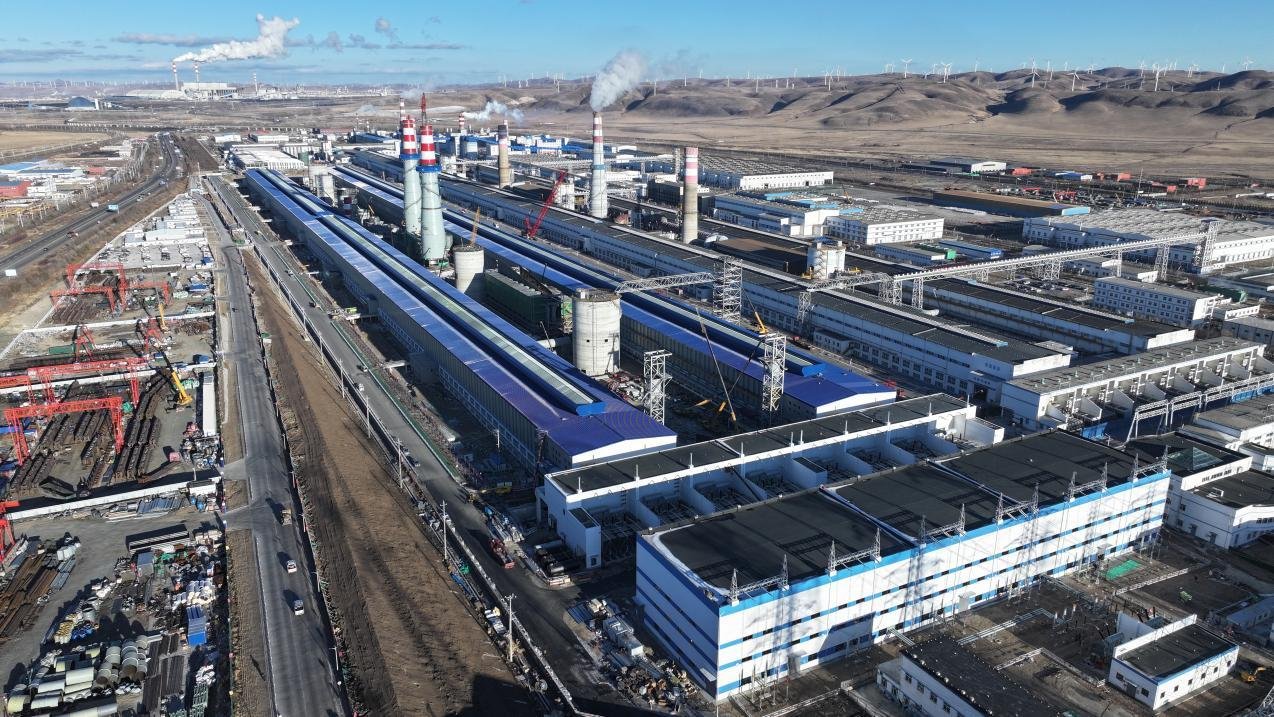
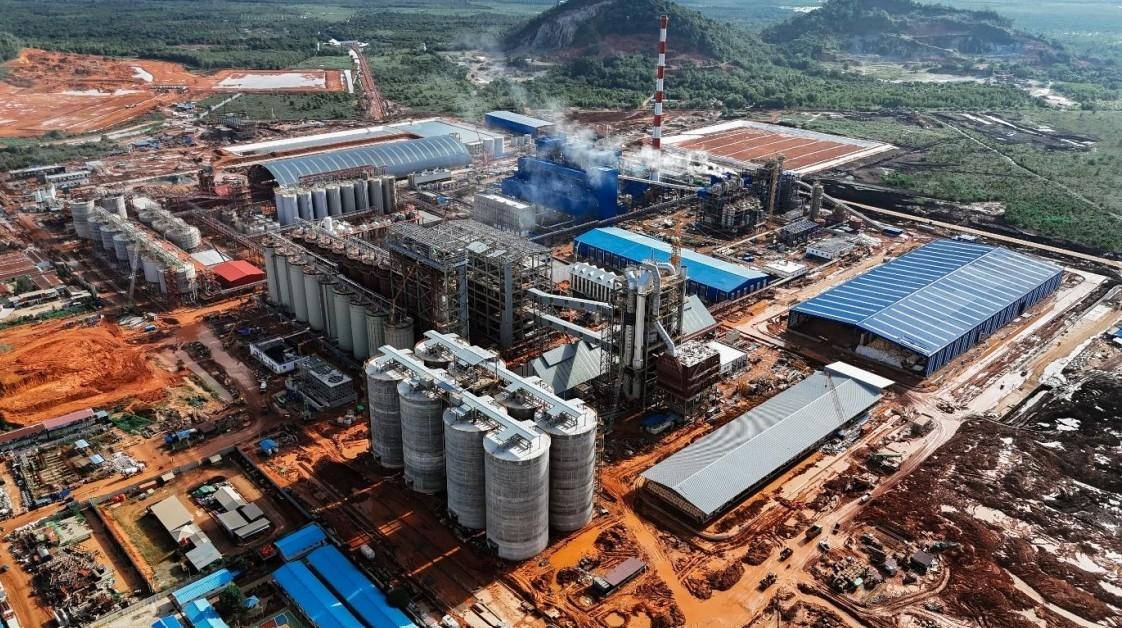
The aluminium supply chain begins with bauxite mining. Bauxite is refined into alumina, which is then processed into primary aluminium through an energy-intensive smelting process.
Each stage can create supply constraints.
A shortage of bauxite may affect refinery operations. A shortage of alumina may limit smelter production. Electricity shortages or high power costs may force smelters to reduce output. Shipping disruptions can prevent metal from reaching the regions where it is needed.
The market therefore needs to be understood as a connected supply chain rather than simply a collection of aluminium mines and factories.
The role of bauxite and alumina
Bauxite is the principal ore used to produce alumina. Alumina, also known as aluminium oxide, is the intermediate material used in the production of primary aluminium.
The availability and cost of these raw materials can influence aluminium production economics.
Major bauxite-producing countries include Guinea, Australia, China, Brazil and India. Guinea has become particularly important to international bauxite supply, while Australia is another major producer.
Alumina production is concentrated in countries with access to bauxite, refinery capacity, energy and suitable logistics. China is a major participant in both alumina production and consumption.
Supply disruptions in any major producing region can affect the cost of raw materials and the operating decisions of aluminium smelters.
For example, restrictions on mining, export policy changes, port congestion or extreme weather can affect bauxite shipments. If refineries cannot secure enough suitable ore, alumina production may become more expensive or constrained.
The impact on the final aluminium price depends on the scale and duration of the disruption and the availability of alternative supplies.
Aluminium production costs and electricity prices
One of the most important features of aluminium production is its high electricity requirement.
Primary aluminium is produced through an electrolytic process in which alumina is converted into metal. This process requires large amounts of electricity and is therefore sensitive to power prices and energy availability.
Electricity can represent a substantial part of the operating cost of an aluminium smelter. The exact share varies according to the technology used, energy contracts, location, efficiency and the price of other inputs.
This is why smelters are often located in regions with reliable and competitively priced electricity.
Hydropower can provide a cost and emissions advantage in some producing regions. Other smelters depend on coal, natural gas or grid electricity.
When electricity prices rise sharply, high-cost smelters may reduce production or temporarily shut down capacity. If several large facilities experience difficulties at the same time, the global supply balance can tighten.
Other production costs include:
-
Bauxite and alumina procurement.
-
Carbon anodes and other consumables.
-
Labour and maintenance.
-
Equipment and technology.
-
Transportation and logistics.
-
Environmental compliance.
-
Financing and capital expenditure.
Energy costs are particularly important because aluminium smelting requires continuous operations. An unexpected power interruption can create operational difficulties and may make restarting a facility expensive.
China’s aluminium production and global export markets
China has a central position in the worldwide aluminium industry.
It is the world’s largest producer and consumer of primary aluminium. Changes in Chinese industrial activity, smelting output, property construction, manufacturing demand, export policy and energy availability can influence international market expectations.
China’s importance is not limited to the amount of aluminium it produces. It also plays a major role in the bauxite and alumina supply chain, aluminium processing, semi-fabricated products and global trade.
The country’s aluminium production capacity has been subject to policy constraints, including an output ceiling designed to manage industrial capacity and environmental objectives.
This means that a rise in Chinese demand does not automatically lead to an unlimited increase in domestic primary aluminium production. If output growth is constrained, additional demand may influence imports, exports, inventories and prices elsewhere.
China’s property and construction sectors have historically been important sources of aluminium demand. At the same time, transportation, electrical infrastructure, packaging, renewable energy and advanced manufacturing have become important areas to monitor.
Chinese export flows can also influence regional availability. If more material is exported, buyers in other markets may gain access to additional supply. If export availability declines, regional premiums may rise, particularly when local inventories are already low.
For global price analysis, it is useful to monitor Chinese production, consumption, inventory levels, trade data and policy announcements together.
Industrial aluminium demand and applications
Aluminium’s broad range of industrial uses helps explain why demand is connected to so many parts of the global economy.
Construction and infrastructure
Aluminium is used in windows, doors, roofing, façades, structural components, fittings and building systems. Its light weight, corrosion resistance and ability to be formed into different shapes make it useful in residential, commercial and infrastructure projects.
Construction demand is influenced by housing activity, commercial property investment, public infrastructure spending and renovation cycles.
When construction activity expands, demand for aluminium profiles, sheets and related products may increase. When building activity slows, some aluminium-consuming sectors may experience weaker orders.
Transportation and automotive manufacturing
Aluminium is widely used in cars, commercial vehicles, rail systems, ships and aircraft.
Vehicle manufacturers use aluminium components to reduce weight and improve energy efficiency. In electric vehicles, reducing vehicle weight can support driving range and efficiency, although the quantity and type of aluminium used vary by vehicle design.
Demand can therefore be influenced by vehicle production, electric-vehicle adoption, lightweighting strategies and the wider transportation market.
Packaging
Aluminium is used in beverage cans, food containers, foil, pharmaceutical packaging and other applications.
Its barrier properties, low weight and recyclability make it attractive to packaging manufacturers. Demand is influenced by consumer spending, food and beverage production, packaging preferences and recycling systems.
Electrical and renewable energy
Aluminium is used in power transmission and distribution, electrical cables, solar-panel frames and various renewable-energy installations.
The expansion of electricity networks, solar power, wind power and energy-storage infrastructure can support long-term aluminium consumption.
Aerospace and advanced manufacturing
Aircraft manufacturers use specialised aluminium alloys because of their strength-to-weight characteristics and manufacturing properties. Aluminium is also used in machinery, industrial equipment and precision-engineered components.
The exact material requirements vary considerably by application. Aerospace-grade alloys, for example, are not interchangeable with every form of commercial primary aluminium.
These end-use industries create a diversified demand base. A slowdown in one sector may be partly offset by stronger demand in another, although the overall effect depends on the size of each industry and the products involved.
Recycling and secondary aluminium supply
Aluminium is highly recyclable, and recycling can require substantially less energy than producing primary aluminium from alumina.
Recycled aluminium is often called secondary aluminium. It is produced by collecting, sorting, processing and remelting aluminium scrap.
Recycling is important for several reasons:
-
It reduces the need for primary metal production.
-
It can lower energy consumption.
-
It supports circular manufacturing systems.
-
It provides an additional source of metal.
-
It can reduce the environmental footprint of aluminium products.
However, recycled aluminium is not always a direct substitute for primary aluminium in every application. Scrap quality, alloy composition, contamination and product specifications determine whether recycled material can be used.
As recycling infrastructure improves, secondary aluminium can become an increasingly important part of the global supply balance.
5. Aluminium Market Inventories, Supply Disruptions and Future Price Trends
Why aluminium inventories matter
Inventory data provides an indication of how much metal is available within monitored storage systems.
The London Metal Exchange publishes warehouse inventory information, including stocks held in approved warehouses. Market participants follow these figures to understand changes in exchange-visible aluminium availability.
When LME inventories decline, it may indicate that metal is being withdrawn from warehouses or that available stocks are becoming tighter. When inventories rise, it may suggest that more metal is entering the monitored storage system.
However, exchange inventories do not represent every tonne of aluminium available worldwide. Metal may be held in producer warehouses, consumer facilities, private storage locations, ports or other systems that are not included in LME warehouse figures.
Therefore, inventory changes should be considered alongside production, trade flows, regional premiums, delivery conditions and physical-market demand.
Supply disruptions and aluminium price volatility
Aluminium production is geographically concentrated and energy intensive. This makes the market vulnerable to several types of disruption.
Geopolitical risks
Conflicts, sanctions, trade restrictions and diplomatic tensions can affect aluminium production, exports, shipping routes and access to raw materials.
If a major producing or exporting region becomes difficult to access, buyers may need to find alternative suppliers. This can increase freight costs, premiums and uncertainty.
Energy shortages
A smelter may be forced to reduce production if electricity becomes too expensive or unreliable. Since restarting aluminium smelting capacity can be difficult, prolonged disruptions can have an impact beyond the initial interruption.
Mining and refinery disruptions
Problems at bauxite mines, alumina refineries, ports and transport facilities can restrict the supply of raw materials.
Trade policy changes
Tariffs, export restrictions, sanctions and import regulations can change the economics of buying and selling aluminium between countries.
Weather and logistics
Flooding, extreme weather, port congestion and shipping delays can interrupt the movement of bauxite, alumina and finished aluminium.
These factors can increase aluminium price volatility, particularly when the market has limited inventories or few alternative suppliers.
What aluminium buyers and traders should monitor
Anyone following the aluminium market should develop a consistent monitoring routine.
A practical checklist includes:
| Market indicator | Why it matters |
|---|---|
| LME cash aluminium | Shows the benchmark value for prompt metal |
| LME three-month price | Provides a forward delivery reference |
| LME warehouse stocks | Helps assess exchange-visible inventory |
| Regional premiums | Reflect local physical-market conditions |
| MCX aluminium futures | Tracks domestic Indian futures pricing |
| USD-INR exchange rate | Influences the rupee equivalent of international prices |
| Electricity prices | Affect the cost of primary aluminium production |
| Bauxite and alumina prices | Indicate upstream raw-material cost pressures |
| Chinese production and exports | Help assess a major source of global supply |
| Industrial production data | Provides clues about aluminium-consuming activity |
The most useful analysis combines these indicators instead of relying on a single chart.
What could influence aluminium prices in the coming years?
The future direction of aluminium prices will depend on the interaction between supply growth, industrial demand, energy costs, recycling and government policy.
Several themes deserve attention.
Growth in electric vehicles
Electric vehicles use aluminium in body structures, battery enclosures, thermal-management systems and other components. The amount varies by model and engineering design, but the wider trend towards vehicle lightweighting can support aluminium demand.
Renewable energy investment
Solar installations, wind power, grid expansion and electricity transmission infrastructure require significant quantities of metals, including aluminium.
Data centres and electricity networks
The expansion of data centres and digital infrastructure increases the need for power distribution, cooling systems, electrical equipment and supporting construction. Aluminium can benefit from some of these applications, although the scale of demand should be assessed against the much larger traditional end-use markets.
China’s production policies
China’s production capacity, energy policy and environmental regulations will remain important influences on the global market.
New capacity outside China
New smelting and refining projects in other regions may diversify supply. However, project development depends on capital investment, energy access, raw-material availability, infrastructure and regulatory approvals.
Recycling and low-carbon aluminium
Demand for recycled and lower-carbon aluminium may increase as manufacturers seek to reduce emissions across their supply chains. This could change the economics of primary and secondary aluminium production.
Geopolitical and trade risks
Changes in trade policy, shipping routes and international relations may create sudden supply constraints or alter regional premiums.
No single factor can reliably predict future aluminium prices. A balanced outlook should consider both demand growth and the ability of producers to deliver additional metal at competitive costs.
Conclusion: Understanding the Worldwide Aluminium Market
Aluminium is a strategically important industrial metal whose price reflects far more than daily commodity trading. Global aluminium rates are shaped by international benchmarks, spot and futures markets, currency movements, production costs, raw-material supply, warehouse inventories, industrial demand and geopolitical developments.
The London Metal Exchange provides a major international reference through its cash and forward aluminium prices. In India, MCX aluminium futures offer a domestic market quotation in rupees, but the relationship between MCX and LME prices also depends on exchange rates, local supply conditions and transaction costs.
For manufacturers and procurement teams, understanding the difference between a benchmark price and the final delivered cost is essential. For traders and market observers, monitoring futures curves, inventories, production data and industrial demand can provide a more complete picture of market conditions.
Looking ahead, aluminium demand will continue to be influenced by construction, transportation, packaging, electrical infrastructure, renewable energy and advanced manufacturing. At the same time, electricity prices, China’s production policies, bauxite and alumina availability, recycling and global trade conditions will remain important supply-side considerations.
Whether you are tracking the aluminium price per metric tonne, comparing the price per kilogram in India, following LME benchmarks or studying industrial demand, use reliable market sources and always check the quotation date, unit and contract details.
Follow global aluminium prices, compare international and Indian market rates, and monitor the industrial trends that shape this essential metal market.

FAQ: Aluminium Price Worldwide Market Rates and Industrial Demand
1. What determines the global aluminium price?
Global aluminium prices are influenced by supply and demand, LME benchmark prices, electricity costs, bauxite and alumina availability, warehouse inventories, currency movements, industrial production and geopolitical developments. Changes in any of these factors can affect the cost and availability of aluminium.
2. What is the LME aluminium price?
The LME aluminium price is a benchmark quotation published by the London Metal Exchange. It is widely used by producers, consumers, traders and manufacturers as a reference when negotiating physical aluminium contracts and managing price exposure.
3. What is the difference between the LME cash price and the three-month aluminium price?
The LME cash price refers to a near-term settlement or delivery date, generally two business days after the trading day. The three-month price represents a contract for delivery or settlement approximately three months ahead. Both are useful, but they represent different delivery periods.
4. How is aluminium priced internationally?
International primary aluminium is commonly quoted in US dollars per metric tonne. Physical contracts may use an LME benchmark plus a regional premium, with additional adjustments for product form, quality, delivery, freight, insurance and other commercial terms.
5. How can I check the live aluminium price worldwide?
You can monitor aluminium prices through the London Metal Exchange, Trading Economics, Investing.com and other commodity-data platforms. Check whether the quote is live or delayed, its currency, unit, contract period and timestamp before comparing it with another source.
6. What is the aluminium price per metric tonne?
The aluminium price per metric tonne is the quoted value for 1,000 kilograms of aluminium. International benchmarks are commonly expressed in USD per metric tonne. The actual price changes with market conditions and the specific quotation being monitored.
7. How do I calculate aluminium price per kilogram?
Divide the price per metric tonne by 1,000 to calculate the equivalent price per kilogram in the same currency. For example, USD 2,800 per tonne equals USD 2.80 per kilogram before additional costs or currency conversion.
8. How do I convert the LME aluminium price into INR per kg?
Multiply the LME price in USD per metric tonne by the USD-INR exchange rate, then divide the result by 1,000. This gives an indicative rupee-per-kilogram benchmark equivalent, not necessarily the final delivered price in India.
9. Why is the MCX aluminium price different from the LME price?
LME and MCX prices use different currencies and market structures. The difference can also reflect exchange rates, local supply and demand, contract specifications, import costs, regional premiums, taxes and domestic delivery conditions.
10. What is MCX aluminium futures trading?
MCX aluminium futures are standardised exchange-traded contracts that provide exposure to changes in aluminium prices in the Indian commodity market. They can be used for hedging or trading, but involve leverage, margin requirements and the risk of financial loss.
11. What is the lot size of an MCX aluminium contract?
The lot size is specified by MCX for each contract. It can differ between the standard aluminium contract and aluminium mini contract, and specifications may be revised. Always check the latest official MCX contract specification before trading.
12. What is the difference between aluminium spot and futures prices?
A spot price represents the current market value for prompt purchase or delivery. A futures price is agreed for a specified future delivery or settlement period. The difference can reflect financing, storage, insurance, availability and market expectations.
13. What does contango mean in the aluminium market?
Contango occurs when futures prices are higher than the spot price. Carrying costs such as storage and financing can contribute to this structure, although expectations about future supply and demand may also influence it.
14. What does backwardation mean in aluminium trading?
Backwardation occurs when the spot price is higher than futures prices. It can be associated with strong demand for immediate delivery, limited prompt supply or tight physical-market conditions. It is a market signal rather than a guaranteed forecast.
15. Why do aluminium prices fluctuate daily?
Daily price changes can result from new supply and demand information, exchange trading activity, currency movements, changes in energy costs, inventory reports, economic data, geopolitical developments and shifts in investor expectations.
16. How does China influence global aluminium prices?
China is the world’s largest aluminium producer and consumer. Its smelting output, production policies, energy availability, industrial activity, exports and demand from construction and manufacturing can significantly influence global supply and price expectations.
17. Why are electricity prices important for aluminium production?
Primary aluminium smelting requires large quantities of electricity. Higher power costs can increase production expenses and make some smelters less competitive. In severe cases, high costs or unreliable power can lead to reduced output or shutdowns.
18. What are bauxite and alumina, and why do they matter?
Bauxite is the principal ore used to produce alumina. Alumina is the refined intermediate material used to make primary aluminium. Disruptions or cost increases in either stage can affect smelter operations and the wider aluminium supply chain.
19. Which countries are important aluminium producers?
China is the leading primary aluminium producer. Other important producers include India, Russia, Canada, the United Arab Emirates, Bahrain, Australia and Norway. Production rankings and output levels can change over time.
20. How do LME aluminium inventories affect prices?
Changes in LME warehouse stocks can provide information about exchange-visible metal availability. Falling stocks may indicate tighter availability, while rising stocks can suggest greater supply entering the monitored warehouse system. LME stocks do not represent all global aluminium inventories.
21. What are regional aluminium premiums?
Regional premiums are additional amounts paid above a benchmark price to reflect local physical-market conditions. They can be influenced by regional supply, demand, import costs, freight, taxes, delivery requirements and availability of metal.
22. How does the USD-INR exchange rate affect aluminium prices in India?
International aluminium is commonly priced in US dollars. If the rupee weakens against the dollar, the rupee-equivalent cost of imported aluminium may rise even when the international benchmark is unchanged. A stronger rupee may have the opposite effect.
23. Which industries consume the most aluminium?
Major aluminium-consuming sectors include transportation, building and construction, packaging, electrical equipment, machinery and industrial manufacturing. Demand is also supported by renewable energy infrastructure and other emerging applications.
24. Does the electric-vehicle industry increase aluminium demand?
Electric vehicles use aluminium in body structures, battery enclosures, housings and other components. Lightweight materials can help improve vehicle efficiency and driving range. The actual aluminium content depends on the vehicle’s design and manufacturing choices.
25. How does renewable energy support aluminium demand?
Solar installations, wind-energy projects, electrical transmission systems and grid infrastructure use aluminium in frames, cables, structural components and equipment. Growth in these areas can contribute to long-term industrial demand.
26. Is recycled aluminium cheaper than primary aluminium?
Recycled aluminium can have energy and production-cost advantages because remelting scrap generally requires much less energy than producing primary aluminium from alumina. However, the final price depends on scrap quality, alloy composition, processing, availability and market conditions.
27. What causes aluminium supply shortages?
Supply shortages can result from electricity constraints, smelter shutdowns, bauxite or alumina disruptions, mining restrictions, shipping delays, geopolitical events, trade restrictions and unexpected increases in industrial consumption.
28. How can manufacturers manage aluminium price volatility?
Manufacturers can monitor LME and domestic prices, negotiate suitable supply agreements, diversify suppliers, manage inventory carefully and consider exchange-traded hedging where appropriate. Hedging strategies should be designed around the business’s actual exposure and risk tolerance.
29. Where can I find historical aluminium price data?
Historical aluminium price information is available from the LME, Trading Economics, Investing.com and other financial-data platforms. When comparing historical data, check the benchmark, contract period, currency, unit, frequency and whether the series is based on closing, settlement or average prices.
30. What is the long-term outlook for global aluminium demand?
Long-term demand will depend on construction, transportation, packaging, electrical infrastructure, renewable energy, manufacturing and recycling. Electric vehicles and grid investment may provide additional support, while economic slowdowns, high production costs and new supply capacity can influence the market balance.
Also Read: Global Copper Prices How to Track Copper Rates Per Ton and KG