 By worldbusinesstoday.team@gmail.com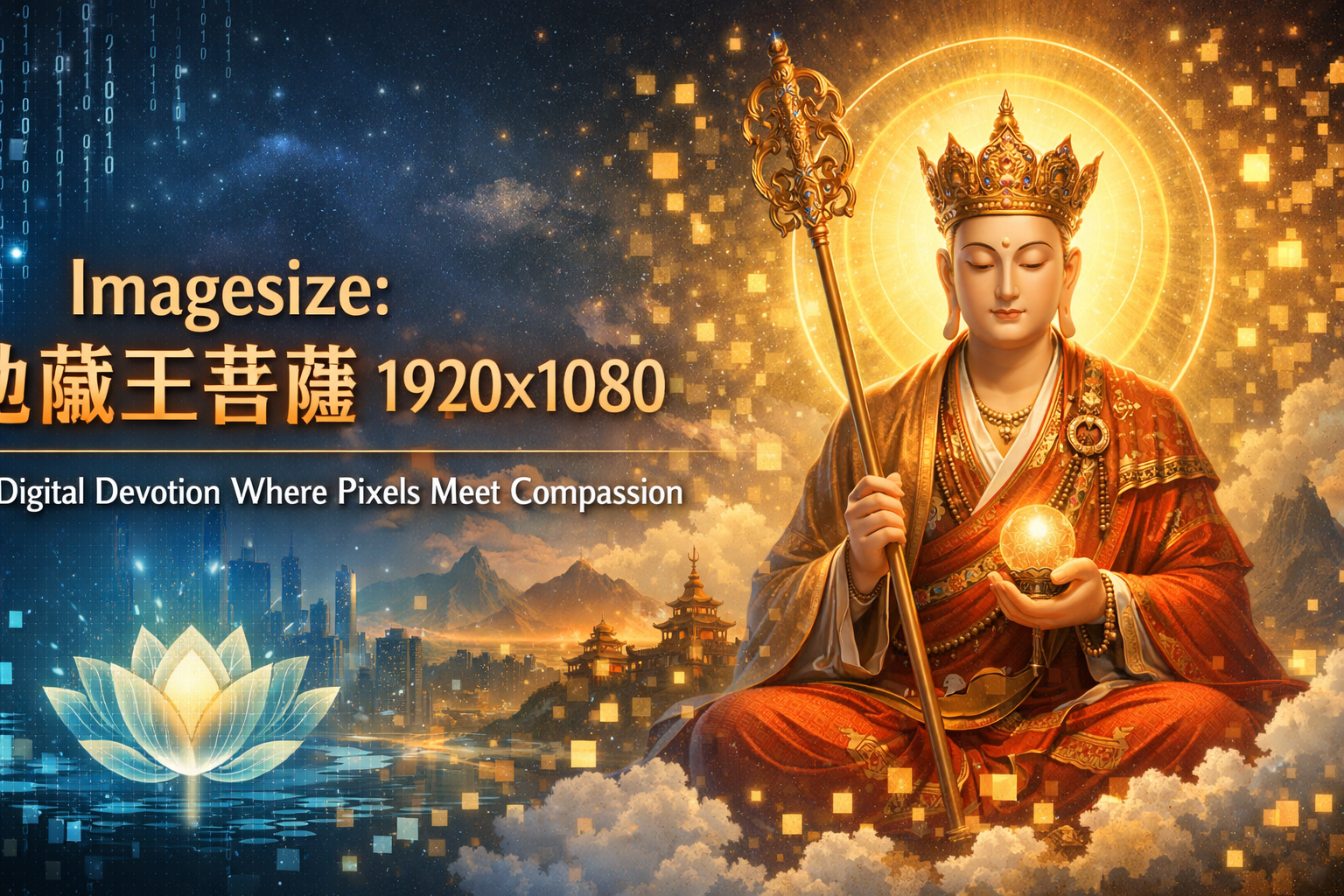
Introduction: When Sacred Art Meets the Screen
Ever noticed how a single image can stop you mid-scroll? One moment you’re casually browsing, and the next—bam!—you’re drawn into something deeper, calmer, almost timeless. That’s exactly the quiet power behind Imagesize:地藏王菩薩 1920×1080.
At first glance, it might sound like a technical label—something only designers or digital archivists would care about. But scratch beneath the surface, and you’ll uncover a fascinating blend of Buddhist devotion, artistic storytelling, and modern digital culture.
In a world buzzing with notifications, sacred imagery resized for modern screens feels oddly comforting, doesn’t it? Especially when that imagery centers on 地藏王菩薩 (Kṣitigarbha Bodhisattva), a figure deeply associated with compassion, vows, and guiding lost souls.
So buckle up—well, gently sit down might be more appropriate—because we’re diving headfirst into symbolism, pixels, culture, and meaning, all wrapped up in Imagesize:地藏王菩薩 1920×1080.
Understanding 地藏王菩薩: The Bodhisattva of Boundless Compassion
Before we zoom into resolution and screen ratios, let’s pause and appreciate the heart of it all—地藏王菩薩.
Who Is 地藏王菩薩?
地藏王菩薩, known as Kṣitigarbha in Sanskrit, is one of the most beloved bodhisattvas in East Asian Buddhism. Often depicted holding a wish-fulfilling jewel and a monk’s staff, he’s famous for one profound vow:
“Until the hells are empty, I will not become a Buddha.”
Goosebumps, right?
Symbolism at a Glance
地藏王菩薩 represents:
-
Unshakable compassion for all beings
-
Guidance through suffering and uncertainty
-
Protection of children and wandering souls
-
Hope, even in the darkest realms
No wonder his imagery resonates so strongly—even when displayed on a modern 1920×1080 screen.
What Does “Imagesize:地藏王菩薩 1920×1080” Really Mean?
Let’s break it down, minus the tech jargon headache.
Decoding the Phrase
-
Imagesize: Refers to the resolution of an image
-
地藏王菩薩: The spiritual subject
-
1920×1080: Full HD resolution, commonly used for desktops, wallpapers, and digital displays
Put it together, and you’ve got a high-definition digital representation of a deeply sacred figure—optimized for modern screens without sacrificing reverence.
Why 1920×1080 Matters
This resolution:
-
Fits most desktop monitors perfectly
-
Maintains clarity without distortion
-
Preserves fine artistic details
-
Feels immersive without overwhelming the viewer
In short, it’s where ancient spirituality meets modern comfort.
Imagesize:地藏王菩薩 1920×1080 as Digital Sacred Art
Now here’s where things get interesting.
From Temple Walls to Digital Walls
Traditionally, images of 地藏王菩薩 adorned:
-
Temple halls
-
Hand-painted scrolls
-
Stone carvings
-
Altars and shrines
Today? They grace:
-
Desktop wallpapers
-
Meditation screens
-
Digital altars
-
Smartphone lock screens
And surprisingly, the reverence doesn’t vanish—it evolves.
Why High-Resolution Matters Spiritually
A crisp Imagesize:地藏王菩薩 1920×1080 image allows viewers to notice:
-
Subtle facial expressions
-
Flowing robe textures
-
Symbolic objects like the staff and jewel
-
The calm aura radiating from the composition
It’s almost meditative—like visual chanting, but quieter.
The Emotional Pull of a Well-Crafted Image
Let’s be honest—resolution alone doesn’t move the soul. Emotion does.
Why People Feel Drawn to These Images
A high-quality image of 地藏王菩薩 can:
-
Create a sense of peace during stressful moments
-
Serve as a reminder of patience and compassion
-
Anchor mindfulness practices
-
Offer quiet reassurance without words
Funny how a screen—often blamed for stress—can also become a doorway to calm.
Common Artistic Styles Seen in Imagesize:地藏王菩薩 1920×1080
Not all images are created equal, right? Styles vary wildly.
Popular Visual Approaches
You’ll often find:
-
Traditional ink-painting styles with muted tones
-
Golden-halo depictions inspired by temple art
-
Minimalist digital interpretations for modern tastes
-
Hyper-detailed illustrations emphasizing realism
Each style speaks to a different viewer, yet the message stays the same—compassion endures.
Using Imagesize:地藏王菩薩 1920×1080 Mindfully
Here’s a gentle reminder—not all uses are equal.
Respectful Ways to Use the Image
-
As a desktop or meditation wallpaper
-
During virtual prayer or chanting sessions
-
For educational or cultural content
-
In personal reflection spaces
What to Avoid
-
Altering the image disrespectfully
-
Using it purely as decoration without context
Intent matters—always has, always will.
Why This Keyword Resonates in Modern Searches
Let’s talk digital behavior for a second.
The Rise of Intent-Based Searches
People searching for Imagesize:地藏王菩薩 1920×1080 aren’t just hunting pixels. They’re often looking for:
-
Peaceful imagery
-
High-quality spiritual art
-
Cultural authenticity
-
Something meaningful for their personal space
And honestly? That says a lot about today’s search culture—less noise, more soul.
Cultural Preservation Through Digital Imagery
Some folks worry digitalization dilutes tradition. But does it?
A New Form of Preservation
High-resolution images:
-
Protect artwork from physical decay
-
Make sacred art globally accessible
-
Encourage cross-cultural understanding
-
Keep traditions alive in new formats
So yes, a 1920×1080 image can carry centuries of devotion—no exaggeration there.
How Artists Balance Tradition and Technology
Creating a compelling Imagesize:地藏王菩薩 1920×1080 image isn’t a walk in the park.
The Artistic Tightrope
Artists must juggle:
-
Religious accuracy
-
Cultural symbolism
-
Modern aesthetic expectations
-
Technical precision
One wrong move, and the harmony breaks. But when it works? Magic.
The Quiet Power of Stillness in a Noisy World
Here’s the thing—we live fast. Too fast.
A single glance at a serene image of 地藏王菩薩 can:
-
Slow your breathing
-
Ease mental clutter
-
Invite reflection
-
Ground your attention
All without saying a word. That’s visual storytelling at its finest.
Frequently Asked Questions (FAQs)
What does Imagesize:地藏王菩薩 1920×1080 mean?
It refers to a Full HD digital image of 地藏王菩薩 optimized for modern screens, blending spiritual symbolism with high-resolution clarity.
Is it appropriate to use such images as wallpapers?
Yes, as long as it’s done respectfully and with mindful intent.
Why is 地藏王菩薩 so popular in digital art?
His symbolism of compassion and guidance resonates deeply, especially in times of stress or uncertainty.
Does image resolution affect spiritual impact?
While spirituality comes from within, clarity and detail can enhance focus and emotional connection.
Can modern digital art still honor ancient traditions?
Absolutely. When created thoughtfully, digital art becomes a powerful tool for preservation and connection.
Conclusion: Where Faith, Art, and Pixels Align
At the end of the day, Imagesize:地藏王菩薩 1920×1080 isn’t just a keyword—it’s a meeting point. A place where ancient vows meet modern screens, where compassion finds a new canvas, and where stillness sneaks into our digital lives.
In a noisy, fast-paced world, there’s something profoundly grounding about seeing a serene bodhisattva gazing back at you in crystal-clear detail. It reminds us—quietly, gently—that compassion doesn’t age, formats change, and meaning can thrive even in pixels.